Auteur/autrice : alice.tulaeva

  • The First-Mover Advantage in Pump.fun Token Launches: Why Timing Is Everything in Bonding Curve Trading

    A trader launches Pump.fun at 10 a.m. on a Tuesday. Within an hour, the token bonding curve has moved from $0.0000001 to $0.0001. Early buyers who entered at the lowest price point see a 1000x return on their initial 0.01 SOL investment. Late arrivals, discovering the token after a 10x gain, face a choice: chase the momentum or accept that they have missed the steepest part of the curve. This scenario plays out thousands of times across the Pump.fun platform, where over 11.9 million token launches have created vastly different financial outcomes for participants depending on entry timing. The bonding curve mechanism that powers these tokens—a mathematical function that programmatically sets price based on token supply rather than external presales—amplifies the advantage of early entry while simultaneously introducing compounding risks that late entrants must navigate differently.

    Understanding bonding curve economics is essential for anyone participating in token launches on Pump.fun, yet most traders evaluate entry points through intuition rather than calculation. The platform’s no-code deployment model at approximately 0.01 SOL has democratized token creation, but it has also flooded the market with thousands of new assets daily. In this environment, timing determines not only the size of potential profits but also the probability of loss. Early participants face concentrated buying pressure and illiquidity risks, while late entrants face price discovery in a market where most of the curve’s steep mathematical advantage has already been captured by earlier buyers. A practical framework for evaluating entry timing must account for bonding curve mechanics, historical volatility patterns specific to meme coin trading, and the exit liquidity that exists at various price levels.

    Graph showing a bonding curve price progression over time with early-entry advantage shaded and late-entry zones marked with increasing risk

    How bonding curves create mathematical advantage for early buyers

    A bonding curve is a continuous pricing function that calculates token price based on circulating supply. As more buyers purchase tokens, the supply increases and the price rises according to the curve’s mathematical formula. Pump.fun uses a specific implementation: each token starts at approximately $0 supply with a programmatic price function. The first buyer of a new token may acquire millions of tokens for a few dollars. The thousandth buyer, after the supply has grown dramatically, might receive only thousands of tokens for the same investment. This is not a side effect of bonding curves; it is their essential mechanism.

    The mathematical advantage compounds because early participants capture the flattest part of the curve. When 1 SOL enters a new token with zero existing supply, that purchase may represent a 1,000,000x increase in holdings compared to a purchase of the same token at higher supply. This is not merely a significant difference; it is an order-of-magnitude advantage built directly into the pricing function. A trader entering at supply rank 100,000 tokens will receive far fewer new tokens per SOL than a trader entering at supply rank 1,000 tokens, even if both make identical-sized purchases. The curve ensures that earlier positions are disproportionately rewarded relative to capital deployed.

    However, this mathematical advantage only translates to real profit if the token survives long enough to accumulate buyers beyond the initial cohort. A token that reaches $100,000 in bonding curve volume only becomes valuable for early buyers if subsequent buyers are willing to purchase at higher prices. This introduces the first critical timing risk: early entry concentrates capital but creates heavy dependence on sustained buying pressure from later participants. The bonding curve provides the price path; human behavior determines whether the path will be traveled.

    The relationship between bonding curve position and leverage is therefore non-linear. Entry at 0.1% of a token’s ultimate supply might represent 100x leverage compared to entry at 1% of ultimate supply, but only if « ultimate supply » means the point at which buying stops and the token reaches stable circulation. Tokens that accumulate $50,000 in volume provide extreme first-mover advantage; tokens that plateau at $5,000 amplify loss for late arrivals while still favoring early entrants. The curve’s mathematical structure guarantees differentiation; it does not guarantee that the difference will matter in positive terms.

    Entry timing and immediate liquidity constraints

    A new token on Pump.fun experiences a critical vulnerability in its first minutes: low liquidity combined with high price sensitivity. When total bonding curve volume is $100, a $10 buy order represents 10% of all purchasing activity and produces noticeable price movement. When volume reaches $10,000, the same $10 order becomes negligible. This dynamic creates a timing paradox for early entrants: the tokens are cheapest at lowest supply, but liquidity is also weakest, meaning any attempt to exit a large position could cause catastrophic slippage.

    An early buyer who acquires 5 million tokens for 0.05 SOL at a token’s launch faces an immediate problem if they wish to sell. Attempting to liquidate even 1 million tokens when total bonding curve volume is $50 might represent 20% of the entire sell pressure, moving the curve downward substantially and locking in losses before the order completes. This is not theoretical slippage; it is the mathematical consequence of thin liquidity. Exchanges like the pump.fun dex show real-time order book data, but most new tokens have no order book at all—only the bonding curve’s progressive pricing.

    The practical implication is that early entry creates a « value lock-in » period during which exits are extremely costly. A trader who buys at $0.000001 per token but cannot sell more than 10% of their position without losing 50% to slippage has captured theoretical profit but not realizable profit. Time becomes the secondary variable: early entry is only advantageous if the trader is patient enough to wait for sufficient volume accumulation, can tolerate watching their capital fluctuate without panic-selling into slippage, or can accept that their exit will occur at much higher liquidity levels (which means much later in the token’s lifecycle).

    This creates a natural stratification of early-entry participants. The earliest buyers (first hour) face months-long lockup periods if they wish to exit with minimal slippage. Buyers in the first day experience progressively better liquidity conditions as more capital arrives. Buyers in the first week are essentially late entrants despite arriving before institutional or influencer-driven capital. The bonding curve structure ensures that entry timing and exit timing are not independent variables; entering early creates both opportunity and illiquidity constraints that younger entrants do not face.

    Mid-entry positioning: capturing momentum with manageable risk

    Tokens that reach $5,000 to $50,000 in bonding curve volume have passed the most dangerous phase. Initial hype (or lack thereof) has already been revealed by the market. Token creators, community activity, and external promotion have had time to demonstrate whether they exist beyond the initial launch. A token reaching $10,000 in volume has confirmed that at least 200-300 distinct buyers have made purchasing decisions to accumulate tokens, suggesting some level of coordination or perceived value. This is a key information event for mid-entry participants.

    The mid-entry phase offers improved liquidity compared to first-hour entry but still preserves significant bonding curve advantage relative to late entry. A token at $25,000 volume may still be in the first percentile of its ultimate climb if it eventually reaches $200,000 or more. A mid-entry buyer spending 1 SOL at this stage might receive 50,000 to 200,000 tokens compared to a late-entry buyer who receives only 5,000 to 10,000 tokens for the same 1 SOL. The mathematical leverage remains substantial, but the liquidity to exit that position is also substantially better.

    Mid-entry timing also allows for evaluation of token fundamentals, if « fundamentals » is a meaningful term in meme coin trading. A token launched by a known account with community engagement has passed a minimum bar for legitimacy. A token that has attracted 100+ participants suggests some form of narrative or coordination that extends beyond pure chance. Neither condition guarantees profitability, but both suggest that the token is not a complete random launch that will immediately collapse. The informational asymmetry between first-hour participants and mid-entry participants is vast: the first-hour buyer makes a decision with almost no market feedback, while the mid-entry buyer has liquidity data, volume trajectory, and holder count.

    The trade-off for this information advantage is simple: reduced bonding curve leverage. A token that reaches $50,000 has already captured most traders in the first few percentiles of the curve. The remaining upside is still significant in absolute terms—reaching $200,000 represents 4x returns—but it is substantially less than the 100x available to first-hour buyers. Entry timing at the mid-phase is therefore a calculation of risk tolerance: accepting lower leverage in exchange for higher probability of token survival and significantly improved exit liquidity.

    Late-entry dynamics and the danger of chasing momentum

    A token at $100,000 in bonding curve volume is demonstrably successful by Pump.fun standards. The vast majority of tokens never accumulate this much volume. A $100,000 token has survived multiple hours, attracted hundreds of buyers, and generated enough momentum to maintain purchasing pressure. From a risk perspective, late entry at this stage is substantially safer than first-hour entry: the token is far less likely to collapse to zero, and exit liquidity is much more accessible.

    However, the remaining bonding curve leverage is now limited. If the token eventually peaks at $500,000, a trader entering at $100,000 captures only 5x returns. This may be substantial, but it represents a different risk-reward profile than early entry. The primary risk for late entrants is not token collapse but rather momentum reversal. A token that has accumulated $100,000 in volume through consistent buying pressure may experience sudden selling pressure as early participants decide to exit. Late entrants sometimes discover that they are the « smart money » destination for early investors cashing out, meaning they are providing liquidity for others to exit at precisely the moment when buying pressure is about to evaporate.

    The psychological challenge for late entrants is resisting the exponential thinking that governed early-stage gains. Witnessing a token rise from $0 to $100,000 creates narratives of inevitable continuation. A 10x gain feels like proof of concept rather than a warning that the steepest curve has already been consumed. Late entrants frequently become the source of funding for early-exit liquidity: their capital sustains the price momentum that allows first-hour buyers to exit without catastrophic slippage, but only by absorbing the counterflow when those exits occur. The bonding curve structure does not change the fundamental reality that for every winner in a zero-sum trading scenario, there is an equivalent loser.

    Exit strategy and the role of native PUMP token incentives

    Pump.fun itself operates as an ecosystem combining token launch infrastructure with a native PUMP token that trades on major exchanges including Binance. This creates an incentive structure for traders: users who trade PUMP token itself or participate in platform volume accumulate rewards or affiliate benefits that depend on activity levels. The native token’s historical volatility—with all-time highs around $0.0089 and substantial price fluctuations reflecting the highly speculative nature of the platform—influences participant behavior and exit timing decisions.

    Exit strategy on Pump.fun is therefore not purely determined by bonding curve positions. A trader holding a highly profitable token position may choose to exit slowly into rising volume rather than immediately, if platform incentives reward sustained trading activity. Conversely, a trader who is profitable in PUMP token itself may prioritize exiting meme coin positions to consolidate gains in the native asset, which has the advantage of trading on regulated exchanges and providing off-ramp clarity. The interaction between bonding curve tokens and platform-native tokens creates a multi-layer exit game.

    Successful exit timing requires tracking both the bonding curve’s supply and price trajectory alongside platform-wide trading volume and sentiment. A token that is rising rapidly may peak when general Pump.fun activity begins to decline, suggesting that buying pressure is being distributed across many new launches rather than concentrated on any single token. Early entrants therefore benefit from exiting during periods of concentrated platform volume, while late entrants may find that liquidity dries up precisely when they most wish to exit. The bonding curve provides the mechanism for price discovery, but platform-wide flows determine whether that discovery continues or reverses.

    Calculating risk-adjusted returns across entry points

    A quantitative framework for bonding curve entry timing requires estimating both the upside potential and the probability of reaching that upside. Consider three scenarios for a hypothetical new token: (1) First-hour entry at $100 volume, (2) 6-hour entry at $10,000 volume, (3) 24-hour entry at $100,000 volume. Assume the final successful token reaches $500,000 in bonding curve volume (a realistic outcome for a notable token).

    The first-hour entrant at $100 volume is purchasing approximately 0.02% of the ultimate supply. If they invest 0.1 SOL, they might receive 50 million tokens. At $500,000 final volume, this position represents theoretical returns of 5000x. However, the realized return is substantially lower because exiting a 0.02% position in a token with insufficient liquidity would require either extended time horizons (months) or accepting severe slippage (50% or more). The practical return is perhaps 100-500x if the trader can identify optimal exit windows and avoid the worst liquidity conditions.

    The 6-hour entrant at $10,000 volume is purchasing approximately 2% of ultimate supply. The same 0.1 SOL investment yields perhaps 500,000 tokens. The theoretical return is 50x. Critically, the practical return is much closer to the theoretical return because exiting a 2% position in a $500,000 token encounters far less slippage and requires only days rather than months to achieve. The realistic return is perhaps 30-45x after accounting for execution costs.

    The 24-hour entrant at $100,000 volume purchases approximately 20% of ultimate supply and receives only 50,000 tokens for the same 0.1 SOL investment. The theoretical return is 5x. But the practical return is very close to the theoretical return—perhaps 4-4.5x—because any reasonable exit strategy encounters minimal slippage in a $500,000 token with established trading activity. This scenario offers the lowest absolute return but the highest probability of realizing that return and the lowest execution risk.

    Risk-adjusted returns heavily favor mid-entry positions when accounting for realistic constraints. First-hour entry offers maximum leverage but minimum probability of realizing gains due to liquidity constraints. Late entry offers near-certain execution of modest gains. The optimal position for most traders is the 6-hour to 24-hour entry window, where token viability is demonstrated, liquidity is sufficient but not excessive, and the bonding curve still offers meaningful leverage. This is often called the « golden hour » in meme coin trading, though the actual window typically spans multiple hours or even days for tokens with sustained buying pressure.

    The illusion of hindsight and survivor bias

    Pump.fun narratives frequently focus on extreme early-entry success stories: traders who invested $50 and exited with $50,000 after entering at absolute launch. These stories are real but drastically unrepresentative. The same $50 entry occurred in tens of thousands of tokens that never accumulated more than $1,000 in volume and eventually collapsed to zero. The visible success cases are inherently skewed toward tokens that worked; the far larger population of failed tokens is invisible to casual observers.

    This survivor bias distorts entry-timing analysis. A trader evaluating whether to chase early entry might calculate the 100x return from the one successful token they saw, without accounting for the 100 failed tokens that generated -95% returns. The mathematical advantage of early entry is real, but the probability distribution is heavily weighted toward small losses across the majority of positions. The « average » early entry probably generates a negative return when accounting for the full population of tokens.

    Late entry reframes this calculation. A token that has already achieved $50,000 in volume is no longer a random lottery ticket; it is a demonstrably successful asset that has cleared multiple rounds of selection. The absolute return is lower, but the win rate is substantially higher. A trader entering late at ten different tokens might see positive returns on seven or eight of them, compared to a first-hour entry where positive returns might occur on only one or two out of ten attempts. The compounded return over many trades often favors the higher-probability, lower-leverage approach.

    Successful long-term participation in meme coin trading on Pump.fun requires acknowledging that early entry maximizes leverage but minimizes win probability, while late entry does the opposite. A trader who makes 10 early-entry attempts and gets lucky on one might achieve a 50x annual return. A trader who makes 20 late-entry attempts and achieves 4x on 15 of them might also achieve 60x annual return, with substantially less volatility and fewer complete losses. The optimal personal strategy depends on risk tolerance, capital size, and psychological ability to execute disciplined exits—not on which entry window theoretically offers higher leverage.

    Platform maturation and changing entry-timing dynamics

    Pump.fun has facilitated over 11.9 million token launches since January 2024, establishing itself as the dominant launchpad in the Solana ecosystem. This scale has gradually shifted the entry-timing dynamics. In early 2024, first-hour entry into any token was relatively safer because the platform had lower volume and fewer competing launches. By 2025, new tokens launch continuously, meaning that buying pressure is fragmented across hundreds of tokens simultaneously. Early entry into a token now faces not only the traditional risks of illiquidity and survival but also the new risk of being immediately superseded by newer tokens that capture the majority of platform volume.

    This changes the calculus for entry timing. The early-entry advantage persists mathematically, but the probability of capturing it requires selecting one specific token out of hundreds launching daily. A trader entering at the first hour of any random new token is essentially making two bets: (1) that the token will survive and accumulate sufficient volume, and (2) that they correctly predicted which token would attract momentum before other options. With 11.9 million total launches and perhaps 500-1000 new launches daily, the second bet is increasingly important to the first.

    Mature entry-timing strategy on Pump.fun increasingly emphasizes external signal quality: entries based on organic community activity, influencer participation, or narrative hooks are more reliable than entries based purely on launch timing. A token with visible social media coordination at one hour is more likely to accumulate volume than a random token at launch, regardless of mathematical bonding curve positioning. This suggests that for most traders, the optimal entry point is actually after clear signal confirmation has emerged—often 2-6 hours into a token’s lifecycle—which is functionally the mid-entry zone.

    Frequently asked questions

    Why do bonding curves give early entrants so much more advantage than late entrants?

    Bonding curves price tokens based on circulating supply: the more tokens already in circulation, the higher the price for the next purchase. Early entrants buy when supply is minimal, so their capital purchases orders of magnitude more tokens than late entrants spending equal amounts. An early buyer might receive 10 million tokens for 0.1 SOL, while a late buyer receives 100,000 tokens for the same amount. This mathematical advantage is the core design feature of bonding curves.

    If I enter a token very early, how long do I have to hold before I can sell without catastrophic slippage?

    Holding periods depend on position size, token success, and target liquidity. An early entrant with a very large percentage of circulating supply may require months of liquidity accumulation before exiting without severe slippage. A token that reaches $100,000 in bonding curve volume provides much better exit conditions than a token at $5,000 volume. Most successful traders plan holding periods of days to weeks rather than hours, accepting that the liquidity window for realizing early-entry profits is extended rather than immediate.

    Is late entry into an already-successful token a safer alternative to first-hour entry?

    Yes, with caveats. Late entry (at $50,000+ volume) provides significantly better exit liquidity, higher probability that the token survives, and lower slippage costs. The trade-off is lower potential returns: a 5x return instead of 100x. For most traders operating with capital preservation as a priority, late entry offers better risk-adjusted returns than first-hour entry, though the maximum profitability is substantially lower.

  • Talon etu Pai Gow’ssa: näin kasino tienaa

    Talon etu Pai Gow’ssa: näin kasino tienaa

    Talon etu Pai Gow’ssa rakentuu hitaasti, mutta juuri siksi se on pelaajalle yllättävän opettavainen peli: pienikin muutos pelisäännöissä, panoksissa tai pelikassan hallinnassa vaikuttaa pitkään tulokseen. Kasino ei voita Pai Gow’ssa yhdellä räjähdysmäisellä kierroksella, vaan toistuvalla marginaalilla, joka syntyy talon edusta, palautusprosentista ja siitä, miten usein tasapelit kääntyvät talon hyväksi. Strategia ei siis ole vain käsien jakamista, vaan myös sen ymmärtämistä, milloin kasino ottaa pienen siivun ja milloin pelaaja maksaa siitä enemmän. Kun kokonaisuus on hallussa, Pai Gow’ssa näkyy selvästi, miksi kasino pysyy voitolla pitkällä aikavälillä.

    Pelirakenne, jossa kasino hyötyy hitaista ratkaisuista

    Pai Gow’ssa perusasetelma suosii kasinoa erityisesti siksi, että peli tarjoaa paljon tasapelejä ja useita mahdollisuuksia virheisiin käsien jakamisessa. Talon etu ei yleensä ole suuri, mutta se on sitkeä. Kun pelaaja rakentaa kädet väärin, etu kasvaa nopeasti, vaikka perusversiossa palautusprosentti olisi kohtuullinen. Kasino tienaa myös siitä, että jokainen kierros kestää kauemmin kuin monissa muissa pöytäpeleissä, joten peli tuottaa tasaisen virran panoksia ilman suuria vaihteluita.

    Monessa Pai Gow -muunnelmassa talon etu asettuu noin 2–3 prosentin luokkaan, mutta lisäsäännöt voivat muuttaa asetelmaa selvästi. Esimerkiksi pankkiirin rooli, komissiot ja sivupanokset vaikuttavat siihen, kuinka paljon kasino lopulta kerää. Pelaajan kannalta tämä tarkoittaa, että pienikin sääntöero kannattaa lukea tarkasti ennen ensimmäistäkään panosta.

    • Hidas rytmi suosii kasinoa, koska se kasvattaa kierrosten määrää ajan mittaan.
    • Virheellinen käsien jako nostaa talon etua selvästi.
    • Komissiot ja sivupanokset voivat heikentää palautusprosenttia nopeasti.

    Kasino-etu käytännössä: 6 Pai Gow -muunnelmaa ja niiden painotukset

    1. Klassinen Pai Gow -pöytäKlassinen versio on kasinolle vakaata liiketoimintaa. Talon etu pysyy yleensä maltillisena, koska tasapelejä syntyy paljon ja pelaaja saa usein mahdollisuuden jatkaa kierroksia ilman suuria heilahteluja. Kasino hyötyy erityisesti siitä, että pitkässä sarjassa pieni marginaali kertyy tasaiseen tahtiin.

    2. Pai Gow Poker -versioTässä muodossa kasino tienaa usein komission kautta. Kun pelaaja voittaa pankkia vastaan, voitoista peritään yleensä maksu, joka pienentää nettotuottoa. Talon etu ei aina näytä suurelta paperilla, mutta käytännössä komissio tekee pelistä kasinolle hyvin vakaan.

    3. Nopea Pai GowNopeampi tempo kasvattaa kasinon kierrosvolyymia. Pelaaja tekee enemmän päätöksiä lyhyemmässä ajassa, ja se lisää virheriskiä. Tämän vuoksi talon etu ei välttämättä muutu dramaattisesti, mutta kasinon kokonaistuotto voi kasvaa, koska peliä pelataan enemmän.

    4. Bonussäännöillä varustettu Pai GowBonukset houkuttelevat, mutta kasino maksaa ne takaisin yleensä epäsuorasti heikomman palautusprosentin muodossa. Kun erityiskädet palkitaan, talon etu säilyy usein korkeampana kuin pelkän peruspelin perusteella arvioisi.

    5. Sivupanoksia sisältävä Pai GowSivupanokset ovat kasinolle selkeä lisäetu. Niissä palautusprosentti on usein matalampi kuin pääpelissä, ja juuri siksi kasino saa niistä parempaa katetta. Pelaajan kannalta ne ovat usein viihdettä, eivät optimaalista strategiaa.

    6. Pankkiirivuorolla pelattava Pai GowKun pelaaja pääsee pankkiiriksi, asetelma muuttuu hetkellisesti. Silti kasino hallitsee kokonaisuutta sääntöjen ja kierron kautta. Useimmissa tapauksissa talon etu säilyy, koska järjestelmä ohjaa pelin niin, että kasino saa osuutensa joko komission, rajojen tai pelivaihdon kautta.

    Miten Talon etu Pai Gow’ssa näkyy pelaajan arjessa?

    Kasino ei tarvitse suurta etua voittaakseen Pai Gow’ssa. Riittää, että pelaaja asettaa panokset liian aggressiivisesti tai käyttää huonoa jakostrategiaa. Siksi pelikassan hallinta on tässä pelissä poikkeuksellisen tärkeää: pienet tappiot kasaantuvat hitaasti, mutta varmasti. Pelaaja, joka sovittaa panokset kierrosmäärään eikä tunnepelin rytmiin, säilyttää paremmin kontrollin.

    Usein juuri pelisäännöt ratkaisevat, kuinka vahvasti kasino tienaa. Jos sivupanokset jätetään pois ja perusstrategiaa noudatetaan tarkasti, talon etu pysyy kurissa. Jos taas mukaan otetaan lisätoimintoja ilman laskettua odotusarvoa, kasino saa nopeasti suuremman marginaalin. Pai Gow’ssa tämä ero näkyy selvemmin kuin monessa muussa pöytäpelissä.

    Muunnelma Kasinon tulonlähde Arvioitu etu Pelaajavaikutus
    Klassinen Pai Gow Perusmarginaali Noin 2–3 % Vakaa, hidas pelikokemus
    Pai Gow Poker Komissio Vaihtelee sääntöjen mukaan Voittojen nettotuotto pienenee
    Nopea Pai Gow Suurempi kierrosmäärä Välillinen kasvu Enemmän päätöksiä, enemmän riskiä
    Sivupanokset Heikompi palautusprosentti Usein selvästi korkeampi Lisää viihdettä, heikompi odotusarvo

    NetEntin Pai Gow -linja ja säännöt, jotka muuttavat etua

    Kun Pai Gow’n kaltaista peliä tarjotaan digitaalisessa muodossa, sääntöjen läpinäkyvyys korostuu. Kasino voi säätää komissioita, käsien vertailua ja bonusehtoja niin, että talon etu pysyy hallittuna. Siksi pelaajan kannattaa tarkistaa, miten juuri kyseinen operaattori määrittelee palautusprosentin ja mitkä lisäsäännöt vaikuttavat voittopotentiaaliin.

    Lisätietoa pelistudioiden rakenteesta ja siitä, miten kasinopelit rakennetaan sääntöjen varaan, löytyy myös Pai Gow’n NetEnt-ratkaisuista. Tällaiset tekniset erot eivät näy heti pelaajalle, mutta ne vaikuttavat suoraan siihen, kuinka paljon kasino saa etua pitkällä aikavälillä. Kun taustalla on vahva sääntömalli, myös talon voittoaseman ennustettavuus kasvaa.

    Viime kädessä Pai Gow on kasinoille houkutteleva juuri siksi, että se yhdistää matalan volatiliteetin, pitkän pelisession ja sääntöjen kautta hallitun katteen. Pelaajalle peli voi tuntua lempeältä, mutta kasino näkee sen tasaisena tulovirtana. Kun talon etu, strategia ja pelikassa ovat samassa linjassa, kasinon ansaintamalli on yllättävän tehokas.

  • Pirátské sloty od studia s nejlepším bonusem

    Pirátské sloty od studia s nejlepším bonusem

    Pirátské sloty v tomto casinu nejsou jen o kotvách a truhlách se zlaťáky; rozhoduje hlavně to, jak dobře fungují bonusové funkce, jak studio řeší slotovou mechaniku a zda free spiny, wild symboly a respiny drží rytmus i při delších seancích. Když jsem procházel starší diskuse hráčů z června, července a srpna, opakoval se stejný motiv: nejlepší pirátská hra není ta s nejhlasitějším názvem, ale ta, která má čitelná pravidla, rozumné tempo a bonus, jenž se nespustí jednou za večer. U Pirátských slotů od studia s nejlepším bonusem sleduji právě tohle: co nabízí studio, jak se chová v praxi a proč letní měsíce často odhalí slabiny i silné stránky rychleji než zbytek roku.

    Proč právě letní měsíce odhalí kvalitu pirátských slotů v Casinu

    V červenci a srpnu hráči obvykle točí delší série a rychleji poznají, jestli je bonusový model postavený poctivě, nebo jen láká na efektní obrázky. U pirátských automatů se to projeví dvojnásob: bez slušné frekvence wild symbolů, bez smysluplných respinů a bez dobře nastavených free spinů se z tematické hry stane jen hezké pozadí. Casino, které staví nabídku na kvalitních titulech, to ví. Proto se vyplatí sledovat, jestli platforma drží v katalogu studia, která umí dodat napětí i přehlednost, ne jen chaos a přepálenou animaci.

    Hráčská zkušenost z fór je překvapivě konzistentní: u pirátských slotů nevyhrává nejdražší grafika, ale bonus, který se dá číst bez lupy.

    Jeden z opakovaných argumentů v komunitních vláknech z letních měsíců zní jednoduše: když se bonusová funkce aktivuje nepravidelně a výplaty přeskakují mezi drobnými zásahy a větším zásahem, hráč vydrží déle. To je důvod, proč Pirátské sloty od studia s nejlepším bonusem v tomto casinu stojí za pozornost hlavně tehdy, když má studio silnou reputaci v návrhu mechanik a neprodává jen téma.

    Jaké pirátské tituly v nabídce Casina dávají smysl sledovat

    U pirátské tematiky se vyplatí porovnávat konkrétní tituly podle toho, co skutečně vrací do hry. Hacksaw Gaming mívá agresivnější tempo a výraznější bonusové nápady, zatímco NetEnt často sází na čistší strukturu a čitelnější průběh. Právě tady se ukáže, zda je Casino vybíravé, nebo jen plní regál. Pro orientaci se hodí i oficiální materiály studia, například pirátské hry od Hacksaw Gaming a pirátské hry od NetEnt, protože rozdíly v mechanice jsou u podobně laděných slotů často větší, než napoví název.

    Název slotu Studio RTP Co rozhoduje
    Dead Man’s Trail Hacksaw Gaming 96,33 % Bonusová kola a vysoká volatilita
    Blackbeard’s Bounty NetEnt 96,18 % Čitelný průběh a klasické free spiny
    Razor Shark Hacksaw Gaming 96,70 % Rychlé tempo a multiplikátory

    U Casina se v praxi ukazuje, že hráči nehledají jen RTP na papíře. Sledují, jak často přichází mezifáze bez výhry, jak dlouho trvá rozjet bonus a zda je možné vrátit se do hry i po slabší sérii. V srpnových debatách se často objevoval právě Razor Shark jako příklad slotu, který umí zaujmout i bez složitého příběhu. Naopak u klidnějších pirátských titulů se víc cenila stabilita a menší rozptyl.

    Co v bonusové logice funguje a co hráče unaví

    Nejlepší bonus v pirátském slotu není ten nejokázalejší. Je to ten, který dává šanci na návrat do hry bez pocitu, že hráč honí přízrak. Wild symboly mají smysl, když podporují řetězení zásahů; respiny fungují, když nejsou jen marketingová nálepka; free spiny mají hodnotu, pokud se v nich násobí potenciál a ne jen animace. Tohle je přesně bod, kde se studio pozná. Dobrý game design nepřepíná hráče mezi nadějí a frustrací v každém druhém zatočení.

    • Wild symboly mají být čitelné a okamžitě rozpoznatelné.
    • Respiny musí prodlužovat napětí, ne brzdit tempo.
    • Free spiny mají přinášet vyšší potenciál, ne jen delší čekání.
    • Bonusové kolečko by mělo mít jasnou logiku i bez návodu.

    V diskusích z června se často vracel jeden argument: hráč pozná kvalitu až ve chvíli, kdy se bonus spustí třikrát po sobě a pokaždé jinak. Když je systém od studia promyšlený, nevadí ani vyšší volatilita. Když není, i atraktivní pirátské téma po pár minutách ztratí tah. Proto má Casino smysl hodnotit podle toho, zda umí držet ve vitríně hry s opravdu funkčním bonusovým jádrem.

    Licencování a důvěra: proč se hráči dívají i na regulátora

    U herního obsahu už dávno nejde jen o to, jak slot vypadá. Zkušenější hráči kontrolují i licenci, protože ta napoví, jak přísně je hlídané vyplácení, transparentnost a technická shoda. Regulátor Malta Gaming Authority patří mezi nejčastěji sledované značky v evropském prostředí a pro část komunity je to základní filtr, než vůbec začnou řešit bonus. Kdo chce porovnat rámec dohledu, může si projít i pravidla Malta Gaming Authority, protože právě tam se často lámou rozdíly mezi solidním provozem a kosmeticky hezkou nabídkou.

    V pirátských slotech bývá největší problém ne téma, ale přestřelená očekávání kolem bonusu; když studio slíbí víc, než mechanika unese, hráči to poznají během několika desítek zatočení.

    U Pirátských slotů od studia s nejlepším bonusem proto sleduji hlavně tři věci: zda je bonus skutečně dosažitelný, zda má výplata logiku a zda Casino komunikuje podmínky bez mlžení. V letních měsících, zvlášť v červenci a srpnu, se podobné detaily ukážou rychleji než v kratších testech. A právě proto se vyplatí vybírat tituly podle studia, ne podle obalu. Když je základ poctivý, pirátská tematika funguje. Když ne, nezachrání ji ani největší truhla na obrazovce.

    Do podzimu se pak obvykle potvrzuje to, co hráči v komunitě tuší už od léta: nejlepší pirátské sloty nejsou nejhlučnější, ale nejlépe postavené. A v tomto Casinu to poznáte na tom, jak studio pracuje s bonusem, jak drží rytmus hry a zda nabídka ustojí i delší sezónu bez zbytečných zkratek.

  • Welcome Bonus or Seasonal Bonus: Which Pays More?

    Welcome Bonus or Seasonal Bonus: Which Pays More?

    At this casino, the welcome bonus usually looks bigger on the front end, but the seasonal bonus can deliver better player value once wagering, bonus terms, and payout value are measured against real play patterns. That is the core comparison: a one-time sign-up package may advertise a larger headline figure, while casino promos tied to holidays, tournaments, or reload windows can generate a cleaner return if the terms are lighter and the offer matches your session length. The platform’s UX also affects the outcome. Slow loading, heavy app size, and awkward responsive design can erase value fast when a bonus needs quick opt-in steps or live-casino access. For a critical comparison, the answer is not which offer looks larger, but which one pays more after friction, wagering, and time cost are counted.

    Missing the wagering math costs €40 in real value

    The biggest mistake with a welcome bonus on this casino is treating the headline amount as cash. A €100 package with 35x wagering is not €100 in practical value; it is a locked balance that can demand €3,500 in stake volume before withdrawal conditions are met. Seasonal bonus offers often arrive smaller, but if the platform cuts the rollover to 20x or applies fewer game restrictions, the effective cost can be lower by a wide margin. The operator’s terms page should be read like software documentation: every limitation changes the outcome. If the bonus excludes live tables, increases contribution differences, or shortens expiry, the real value drops faster than the advertised number suggests.

    Cost signal: A player who chases a larger welcome bonus and ignores wagering can lose about €40 in expected value on a modest bankroll once low-return spins and locked funds are factored in.

    Ignoring seasonal bonus timing can waste €25 in bonus EV

    Seasonal bonuses at this casino tend to reward timing, not loyalty alone. A weekend reload, a holiday free-spin pack, or a live-dealer cashback window can outperform the sign-up deal if the player is already active and the terms are cleaner. The mistake is waiting for a « better » bonus while the platform pushes time-limited promos that fit a specific game session. In software terms, these offers behave like event-driven features: they are efficient only when the user flow is already active. If you log in late, miss the activation window, or play on unsupported devices, the bonus can become dead weight.

    Rule of thumb: a smaller seasonal bonus with 10x to 20x wagering often beats a larger welcome offer when the bankroll is under €50 and the session length is short.

    Forgetting device performance can cost 3 minutes per session

    UX flow matters more than most bonus pages admit. On this casino, welcome bonuses usually require more steps: registration, email verification, opt-in, and sometimes payment-method confirmation. Seasonal promos are often lighter, but only if the site loads cleanly and the mobile layout does not bury the promotion banner. A slow app or a bloated mobile page can add three minutes of friction per session, which is enough to make a time-limited bonus expire before enough wagering is completed. From a tech-review angle, responsive design is part of the bonus value equation. A clean interface turns the same offer into a better product.

    Performance marker: If the app size is heavy and the promo page takes longer than a few seconds to render on mobile data, bonus efficiency drops even when the headline terms look fair.

    Choosing the wrong game category burns €60 in expected payout

    This casino’s bonus structure can punish players who do not match the offer to the game type. Slot bonuses often look straightforward, yet payout value depends on RTP, volatility, and contribution rules. A seasonal slot promo tied to high-RTP titles may outperform a welcome bonus that forces play on lower-contribution games. In live casino, the gap can widen because some bonuses exclude live tables or cap contribution rates. For comparison, Pragmatic Play live tables and Ezugi live tables often appear in different promotional conditions, and that distinction changes the math more than the banner text does. A bonus that is easy to activate but hard to convert is still expensive in practice.

    Game-fit example: A welcome bonus routed into low-contribution games can reduce usable value by roughly €60 on a small-to-mid bankroll, especially when the player follows the default lobby sorting instead of the terms.

    For live-dealer reference points, the operator’s live section can resemble the pacing and table structure seen in Pragmatic Play live casino offerings when the interface is streamlined and the table list is easy to scan.

    Overlooking promotion stacking can leave €30 on the table

    Welcome bonus and seasonal bonus are not always mutually exclusive, but players often assume they are. This casino may segment offers by deposit method, game category, or active period, and that creates room for stacking errors. The mistake is claiming the first offer without checking whether a better seasonal promo is scheduled within the same week. Another common misread is choosing a payment route that disqualifies the better package. In engineering terms, the system is doing what it was configured to do; the user just did not read the rule set closely enough. The operator’s promo engine rewards precision.

    When the seasonal calendar is busy, the strongest move is often to wait one cycle, compare the effective payout value, and avoid burning eligibility on an average welcome deal. That is where the platform’s design and bonus architecture intersect.

    Live-casino users should also compare table coverage and bonus eligibility against Ezugi live casino style lobbies, since promo compatibility can vary by provider and game category.

    Letting behavior signals pile up can trigger a €0 withdrawal delay

    Three behavioral signals deserve attention here: repeated bonus chasing, rapid deposit-and-withdraw cycles, and switching between promo pages without finishing a session. None of these is a moral issue. They are operational signals that can make a casino account feel unstable, especially when the bonus terms are strict. A welcome bonus can be useful once, but a seasonal bonus used repeatedly without a plan can create friction with verification, source-of-funds checks, or promo eligibility. The platform’s rules are designed to protect the bonus economy, not to make it simple. If the offer starts to feel confusing, close the tab and return only when the terms are clear and the device is ready.

    For this casino, the better-paying bonus is usually the one that matches your session length, device performance, and game choice. Welcome bonuses can win on headline size; seasonal bonuses can win on usable value. The difference is not cosmetic. It is the gap between advertised money and money you can actually turn into withdrawals.

  • Spinando vs InterCasino After 50 Spins: What Changes

    Spinando vs InterCasino After 50 Spins: What Changes

    After 50 spins, the difference between Spinando and InterCasino stops being a branding debate and starts feeling like a live casino test of rules, betting limits, dealer quality, and user experience. That is where player confusion usually clears up fast. Spin tests show how quickly a lobby loads, how clearly the game rules are explained, and whether the table flow feels smooth or clunky. In this brand comparison, the operator matters as much as the game itself, because a live casino session is only as good as the platform around it. I looked at both with a beginner’s lens: what you see, what you can bet, how the dealer behaves, and what changes after a long enough run to notice patterns.

    What 50 spins actually reveal in Spinando and InterCasino

    Fifty spins is a small sample, but it is enough to spot the basics. Think of it like tasting a soup before ordering a full bowl. You will not know every ingredient, yet you can tell if the seasoning works. In Spinando, the first 50 spins tend to show how fast the interface responds and whether the session feels steady. InterCasino gives a similar read, but its presentation often feels more traditional, which can help beginners who want fewer distractions.

    For live casino players, « spin » testing is really a shorthand for session testing. You are checking loading speed, table access, bet placement, and how clearly the dealer’s actions are explained. If a brand makes those things easy in the first 50 rounds, the rest of the session usually feels less stressful.

    Paytable screenshot note: in a typical slot-style game view, the paytable sits near the info icon and shows symbol values, bonus rules, and line wins in a compact panel. That matters because beginners often confuse the paytable with the game lobby. One is the rule sheet; the other is the menu.

    Spinando’s live casino flow after the first few rounds

    Spinando tends to feel more modern in the way it organizes live casino access. The lobby structure is usually cleaner, so a new player can move from game selection to a table without a lot of backtracking. That helps when you are still learning the difference between a standard table game, a live dealer game, and a game-show format.

    Dealer quality is part of the experience too. In live casino terms, the dealer is the person running the table in real time, explaining actions and keeping the game moving. Spinando’s biggest practical advantage is that its layout often makes the dealer feed and controls easier to follow. When the interface is less crowded, the dealer’s role becomes clearer.

    Betting limits are the other beginner checkpoint. A betting limit is the minimum and maximum amount allowed on a round. Spinando usually makes those limits visible without much digging, which reduces misclicks. For a first-time player, that is a bigger deal than it sounds.

    • Cleaner table access: fewer steps from lobby to game.
    • Clearer limits: easier to see the minimum stake before joining.
    • Better session rhythm: less time lost to menu hunting.

    InterCasino’s approach to rules, pacing, and player comfort

    InterCasino takes a more familiar route. That can be a strength for beginners, because familiar layouts feel safer when you are still learning game rules. A game rule is simply the instruction set for how a round works, what triggers a bonus, and how wins are paid. InterCasino tends to present those rules in a way that feels steady rather than flashy.

    The platform style is less about surprise and more about consistency. That means the live casino lobby may not feel as visually bold as Spinando, but the trade-off is easier orientation. If you want a brand that feels like a calm classroom instead of a noisy arcade, InterCasino leans in that direction.

    Scatter trigger frequency: in slot terms, a scatter is a special symbol that can activate a bonus without needing a line match. On a beginner test, the main lesson is not the exact hit rate, but whether the game explains the trigger clearly. InterCasino generally does a decent job of making bonus conditions readable, which helps when a player is still learning the difference between base play and feature play.

    If you want a broader look at the technology behind live dealer and game delivery, the Pragmatic Play live casino systems page offers useful context on how streamed tables and game formats are structured.

    Where the two brands feel different after 50 spins

    After 50 spins, the biggest gap is not excitement. It is friction. Spinando usually feels quicker to navigate, while InterCasino often feels easier to settle into. That difference sounds small, but beginners notice it fast. One platform may feel like a fast train with clear signs; the other may feel like a quiet station with fewer moving parts.

    Feature Spinando InterCasino
    Lobby feel Modern, quick to scan Traditional, easy to recognize
    Beginner clarity Strong on navigation Strong on familiarity
    Dealer presentation Clean and direct Stable and straightforward

    That table is the short version. The longer version is that Spinando suits players who want a slicker path into live casino sessions, while InterCasino suits players who prefer a gentler learning curve. Both can work for beginners, but they solve the « I do not know what I am looking at » problem in different ways.

    Demo mode, practice value, and the fastest way to learn the lobby

    Demo mode is the practice version of a game, usually played with fake credits. For beginners, it is the safest way to learn without pressure. Spinando’s demo-style testing is useful because it lets you see how quickly the interface makes sense when there is no real money on the line. InterCasino benefits from the same logic, though its more traditional design means the lesson is often about comfort rather than speed.

    A practical beginner rule: use demo mode to learn three things only — where the bet controls are, where the rules are, and how bonus features are explained. Do that before thinking about streaks, lucky runs, or « hot » tables. Those ideas can distract new players from the basics.

    NetEnt’s game library and live casino ecosystem remain a useful benchmark for how polished game presentation can be, especially when comparing user flow and bonus clarity across brands.

    What a beginner should choose between Spinando and InterCasino

    If your main goal is quick navigation and a more modern live casino feel, Spinando has the edge after 50 spins. If you want a calmer, more familiar platform that reduces early confusion, InterCasino is the safer starting point. Neither brand wins every category. The better choice depends on whether you value speed or simplicity more.

    Fast takeaway: Spinando feels sharper; InterCasino feels steadier. For a beginner, that is the whole decision in one line.

    Use the first 50 spins as a test drive. Watch the dealer quality, read the game rules before joining, check the betting limits, and pay attention to how much effort it takes to move around the lobby. When a casino brand makes those steps easy, the rest of the session becomes easier too. In this comparison, that is the clearest change after 50 spins, and it is the one that matters most for new live casino players at Spinando and InterCasino.

  • Seriöse deutsche Online-Glücksspiel Plattformen: Dein Leitfaden zu vertrauenswürdigen Online-Casinos

    Genehmigung und Schutzstandards

    Eine Seriosität einer Online-Gaming Website beginnt mit einer gültigen gültigen Glücksspiellizenz. In der Bundesrepublik sind gebunden Online-Casinos seit Juli des Jahres 2021 dem Glücksspielstaatsvertrag, der national gleichartige Vorschriften etabliert. Eine legitime Seite verfügt über eine behördliche Lizenz der verantwortlichen Behörde und präsentiert diese transparent auf jener Internetseite an.

    Zeitgemäße Sicherheitstechnologien bilden das Fundament für sichere Transaktionen. Sicherheitszertifikate mit minimal 128-Bit-Verschlüsselung bewahren private Angaben und Finanzinformationen vor unberechtigtem Zugang. infomosaik.com sichert höchste Schutzstandards durch regelmäßige unabhängige Audits und Zertifizierungen anerkannter Testlabore.

    Sicherheitsaspekt Bedeutung Überprüfung
    Gültige Genehmigung Rechtliche Grundlage Lizenz-ID im Footer
    Sicherheitsverschlüsselung Schutz der Daten Sicherheitssymbol im Internet-Browser
    Äußere Prüfungen Fairness-Sicherung Zertifikat auf der Website
    Datenschutzerklärung Transparente Datenhandhabung DSGVO-gerechte Darstellung

    Technologische Schutzmaßnahmen

    Zuverlässige Anbieter implementieren mehrschichtige Schutzsysteme. Brandmauern, Angriffserkennungssysteme und kontinuierliche Aktualisierungen schützen die IT-Struktur vor Online-Attacken. Außerdem findet statt eine permanente Überwachung auffälliger Aktivitäten durch fachkundige Fachteams.

    Geschützte Zahlungsmethoden und Zahlungsvorgänge

    Die Bandbreite angebotener Transaktionswege gibt Aufschluss über die Vertrauenswürdigkeit einer Plattform. Bewährte Anbieter partnern mit anerkannten Payment-Providern und bieten diverse Möglichkeiten für Ein- und Auszahlungsvorgänge an.

    • SEPA-Überweisung und Direkteinzug für konventionelle Transaktionen
    • Online-Wallets für rasche und private Überweisungen
    • Prepaid-Karten zur Steuerung des Budgets
    • Debitkarten mit Kundenschutz
    • Cryptowährungen für maximale Privatsphäre

    Abhebungsprozeduren und Transparenz

    Seriöse Plattformen handhaben Gewinnauszahlungen schnell und offen. Deutliche Regeln zu Prozesszeiten, Obergrenzen und eventuellen Entgelten sind stets abrufbar. Verifizierungsprozesse sind da der Geldwäschebekämpfung und dem Schutz der Spielerkonten.

    Bezahlmethode Bearbeitungszeit Guthaben aufladen Bearbeitungszeit Gewinnauszahlung
    Banküberweisung 1-3 Geschäftstage drei bis fünf Geschäftstage
    E-Wallets Unmittelbar 24 bis 48 Stunden
    Zahlungskarten Instant 3-5 Geschäftstage
    Wertkarten Instant Nicht verfügbar

    Schutz der Spieler und kontrolliertes Glücksspiel

    Verantwortungsbewusstes Gaming steht bei zuverlässigen Anbietern an oberster Stelle. Weitreichende Tools gestatten Spielern die Kontrolle über ihr Gaming-Verhalten. Einzahlungslimits, Verlustlimits und Selbstausschluss-Möglichkeiten sind essenzielle Funktionen.

    Jede Partnerschaft mit Organisationen für Spielsuchtbekämpfung betont das Commitment für Spielerschutz. Informationsmaterialien, Eigenkontrollen und unmittelbarer Kontakt zu Hilfsangeboten sind auffällig angebracht und einfach erreichbar.

    Vielfalt und Standard des Gaming-Sortiments

    Jedes abwechslungsreiches Spielportfolio spricht von der Professionalität einer Website. Kooperationen mit führenden Game-Providern garantieren qualitativ hochstehende Spiele mit verifizierten Zufallszahlengeneratoren und gerechten Auszahlungsquoten.

    1. Bewährte Casino-Klassiker mit diversen Varianten und Limits
    2. Zeitgemäße Video-Slots mit innovativen Mechaniken
    3. Live-Gaming-Erfahrungen mit professionellen Croupiers
    4. Spezifische Spielkategorien für unterschiedliche Geschmäcker

    Fairness und Offenheit

    Unabhängige Kontrollstellen kontrollieren wiederkehrend die Randomness der Spielergebnisse. Auszahlungsquoten werden veröffentlicht und durch Zertifikate untermauert, was vollständige Offenheit sicherstellt.

    Kundenservice und Erreichbarkeit

    Exzellenter Kundenservice kennzeichnet vertrauenswürdige Anbieter aus. Polyglotte Serviceteams sind über diverse Kanäle zur Verfügung und lösen Fragen professionell und zügig.

    Echtzeit-Chat, E-Mail-Support und telefonische Servicenummern decken verschiedene Kommunikationspräferenzen ab. Umfangreiche FAQ-Sektionen bieten zügige Antworten auf gängige Probleme und ermöglichen eigenständige Fehlerbehebungen.

  • Can a single wallet truly keep your XMR, BTC, and other coins private? Unpacking the mechanisms and limits

    How private is « private enough » when a single mobile or desktop app holds Monero (XMR), Bitcoin (BTC), Litecoin (LTC), Zcash (ZEC) and a dozen other coins? That sharp question reframes a common assumption: many users equate « non-custodial » with comprehensive anonymity. The truth is more layered. Wallet architecture, coin-level protocols, network routing, device security and user choices all interact to determine practical privacy. Understanding the mechanisms — and where they fail — turns privacy from slogan into a decision-useful set of trade-offs.

    This article walks through the key mechanisms that a modern privacy-focused multi-currency wallet uses to protect users, compares how those mechanisms apply differently to Monero and Bitcoin, and surfaces the single most important practical limits. It is aimed at U.S.-based privacy-minded users who need to choose, configure, or use a wallet in ways that actually improve anonymity instead of merely promising it.

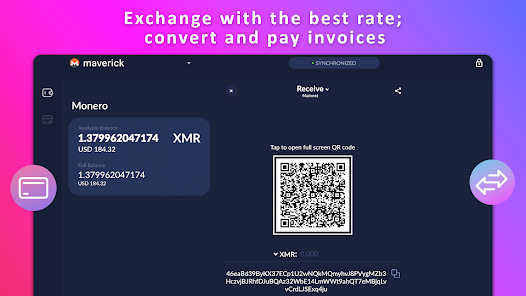
    Screenshot-style image showing a privacy-focused crypto wallet interface with multiple coin balances and settings for Tor, hardware wallet integration, and subaddresses, illustrating multi-currency privacy controls.

    Core mechanisms that matter (not just marketing)

    Successful privacy engineering in a wallet combines layers. Here are the layers that actually affect outcomes and how they operate in practice.

    1) Wallet sovereignty and key custody. Non-custodial means the private keys never leave the user’s device or attached hardware. That is foundational: if third parties hold your keys, privacy and control are lost at once. But key custody alone doesn’t guarantee unlinkability between addresses and transactions; it simply ensures you control the crypto.

    2) Device-level protection. Encryption using Secure Enclave on iOS or TPM on Android, plus local PIN/biometric gating, reduces the risk that a stolen phone gives attackers instant access to spendable crypto. These hardware-backed protections are effective at preventing exfiltration of keys — provided the device itself is not jailbroken or otherwise compromised. They don’t, however, remove on-chain privacy weak points.

    3) Network anonymity. Connecting through Tor-only mode or I2P, or using a custom node, stops your IP from being trivially associated with on-chain activity. This is a crucial privacy layer: many deanonymization attacks begin by linking an IP address to a wallet address. A competent wallet offering Tor/IP2 support and no telemetry reduces that attack vector substantially — but it relies on correct configuration and the absence of leaks from other apps or OS-level services.

    4) Coin-specific protocol privacy. Different coins embed privacy at different levels. Monero uses ring signatures, stealth addresses and confidential transactions as protocol-level privacy; Bitcoin does not. Wallets can add privacy-enhancing techniques for Bitcoin — such as PayJoin v2 (a cooperative transaction that mixes inputs between sender and receiver), Silent Payments (out-of-band address blinding), UTXO coin control, and batching — but these are mitigations layered onto an otherwise transparent ledger. For Zcash, mandatory shielding (forcing outgoing transactions to be from shielded addresses) avoids accidental exposure.

    Monero vs Bitcoin: mechanism-level comparison

    Monero (XMR): privacy by default. Monero transactions are designed to obfuscate sender, recipient and amount at the protocol level. Wallet features that preserve these properties are the right priorities: keeping private view keys on-device, using subaddresses for per-recipient routing, background synchronization so a user doesn’t leak addresses or keys to third-party nodes, and the option to run or connect to your own node. When those mechanisms are honored, Monero provides a much stronger baseline of unlinkability than Bitcoin does.

    Bitcoin (BTC): privacy as a toolbox. Bitcoin’s UTXO model and transparent ledger mean wallets must stitch together a toolkit to reduce linkability. PayJoin v2 and coin control can remove obvious linkages: PayJoin hides which inputs were yours and which were supplied by the counterparty, while UTXO management lets you avoid combining unrelated funds in a single transaction. Silent Payments help with address reuse. But none of these can fully reproduce Monero’s built-in obfuscation because they depend on cooperation from counterparties or careful wallet hygiene.

    Important nuance: a wallet that supports both XMR and BTC will operate differently for each coin. For Monero, the wallet should focus on preserving protocol guarantees. For Bitcoin, it must provide features and user guidance that make the right privacy choices possible and practical.

    What wallets do that users often miss — and common myths

    Myth: « Non-custodial = anonymous. » Correction: non-custodial means you hold the keys. Anonymity requires additional steps: preventing IP leaks, avoiding address reuse, using coin-specific privacy features and sometimes mixing or shielded pools. Non-custodial custody is necessary but not sufficient.

    Myth: « All private coins are equivalent. » Correction: Monero, Litecoin MWEB, Zcash shielded pools and Bitcoin privacy tools each have different threat models and failure modes. For example, MWEB provides optional privacy for Litecoin, but adoption and interoperability affect its real-world anonymity set. Zcash shielded transactions strongly hide details when used, but migrating funds from legacy wallets can be tricky and, in some products, seed incompatibilities may force manual transfers.

    Myth: « Running any node solves everything. » Running your own node eliminates reliance on third-party nodes for blockchain data, which is excellent for privacy and censorship resistance, but it doesn’t protect you from device compromise or reveal-resistant practices like avoiding address reuse. Moreover, an improperly configured full node can still leak metadata if you broadcast transactions over a public IP without Tor.

    Trade-offs, limitations, and the single most important boundary condition

    Trade-offs are unavoidable. Using Tor or I2P increases network privacy but can slow synchronization, affect wallet responsiveness, and sometimes break convenience features. Hardware wallet integration elevates security but requires careful UX: air-gapped signing (like an air-gapped Cupcake-style device) increases operational complexity. Enforcing mandatory shielding for Zcash improves privacy but introduces migration friction when moving from wallets that handled change addresses differently.

    Limitations to accept:
    – Protocol limits: Bitcoin’s transparent ledger cannot be made as unlinkable as Monero without off-chain or cooperative techniques.
    – Human error: Address reuse, re-linking identities through off-chain services (exchanges, KYC platforms), and poor device hygiene remain the most common vectors for de-anonymization.
    – Ecosystem effects: Anonymity often depends on the size and behavior of the anonymity set. Smaller pools (e.g., limited MWEB adoption) reduce effective privacy.

    The single most important boundary condition: network-level leakage plus correlated off-chain identity links. Even perfect on-chain privacy can be compromised if transactions are broadcast from an IP tied to your identity, or if you reuse addresses with regulated exchanges that collect KYC data. Mitigations: use Tor/I2P, run or connect to trusted nodes, and avoid linking private transactions to identifiable accounts.

    Practical heuristics and a decision-useful framework

    Here are re-usable rules you can apply when choosing or configuring a wallet.

    Rule 1 — Threat model first: define whether your primary concern is casual linkage (e.g., data brokers), targeted surveillance, or theft. Different threats change which features you prioritize.

    Rule 2 — Separate custody and broadcast risks: keep keys non-custodial and hardware-protected; run broadcasts through Tor or your own node to avoid IP linking. These two controls attack the most common combined failure path.

    Rule 3 — Use coin-native privacy where possible: for privacy by default, prefer Monero for private transfers; for Bitcoin, enable PayJoin, coin control, and batching to reduce leakage. For Zcash, use shielded addresses and be aware of migration limitations from other wallet seed types.

    Rule 4 — Verify no telemetry and use custom nodes when practical. A zero data collection policy is meaningful only if audited and enforced; pairing that with your own node or trusted nodes reduces metadata collection risk.

    How a modern multi-currency privacy wallet implements these ideas

    A privacy-aware wallet bundle will combine: device-level encryption (Secure Enclave/TPM), local access control (PIN/biometrics), open-source non-custodial key handling, Tor/I2P support, per-coin privacy features (Monero subaddresses and never-exporting the private view key; Bitcoin PayJoin and Silent Payments; Zcash mandatory shielding), Ledger and air-gapped hardware integration, and a no-telemetry policy. This is exactly the architecture that advanced privacy wallets aim for, and it is the schema that transforms abstract privacy benefits into practical gains — provided users configure and use the features correctly.

    If you want a single practical next step: choose a wallet that makes these options explicit and gives you clear toggles and documentation. For readers evaluating options, see a concrete implementation and platform support described at cake wallet, which exemplifies multi-platform, multi-coin privacy design choices in a single product.

    FAQ

    Q: If my wallet is non-custodial and uses Tor, am I anonymous?

    A: Not automatically. Non-custodial custody and Tor significantly reduce many risks, but anonymity also depends on coin-level protocol properties, avoiding address reuse, and keeping off-chain identities separate. For example, using Tor while sending a Bitcoin transaction that links to a deposit address on an exchange with KYC will not hide that link.

    Q: Is Monero always safer than Bitcoin for privacy?

    A: Monero provides stronger protocol-level privacy, but « safer » depends on other factors: how the wallet handles keys, whether the user leaks IPs, and the operational practices around using the coin. Monero reduces on-chain linkage risk more effectively than Bitcoin, but operational hygiene remains crucial.

    Q: What are realistic failure scenarios I should plan for?

    A: Three realistic failures: device compromise (malware or physical access), network leaks (no Tor or misconfigured node), and off-chain linkage (KYC exchange deposits). Plan by using hardware-backed key storage, Tor/I2P or private nodes, and a disciplined separation between private funds and identifiable accounts.

    Q: Can built-in swapping or decentralized routing compromise privacy?

    A: Swaps can create metadata trails if market makers or routing intermediaries retain logs or require identity. Decentralized routing via intent systems reduces centralized custody but does not eliminate metadata risk entirely; prefer swap providers that minimize data collection and route through privacy-preserving rails when possible.

    What to watch next — conditional signals and practical implications

    Watch two trends that will matter for U.S.-based privacy users. First, broader adoption of protocol-level privacy layers (e.g., MWEB uptake for Litecoin, or more Bitcoin wallets integrating PayJoin v2) increases anonymity sets and makes mixed techniques more effective. Second, regulatory pressure can change the practical risk landscape: increased reporting requirements at exchanges or rules around privacy tools could raise off-chain linkage costs. Both trends are conditional: adoption improves privacy; regulation shifts operational risk.

    In practice: prioritize wallets that are open-source, non-custodial, provide hardware-backed key protection and network anonymity options, and make coin-specific privacy features easy to use. Combine that with disciplined separation of identities and you make measurable progress toward practical anonymity while accepting the remaining limitations and trade-offs described above.

  • WinSpirit Casino Slots: Your Own Entry Point to Elite Gambling Fun

    Our Extensive Slot Collection

    At winspirit online slots, we take pride ourselves on providing one of the extremely extensive slot catalogs available to players globally. This game portfolio features above 3000 elite slot titles spanning each possible subject, from historic societies and legends to sci-fi adventures and vintage classic fruit games. Every slot receives thorough examination to guarantee honest play and fun quality before entering the collection.

    The variety inside the game collection means every user finds content customized to personal preferences. Whether you search for high-risk slots offering significant wins or prefer low-risk gaming with regular minor prizes, this casino accommodates all gaming styles. Our own committed group continuously assesses new games, incorporating exciting material weekly to preserve the entertainment adventure dynamic and captivating.

    Trending Slot Categories

    • Megaways™ Slot Machines: Innovative systems delivering up until 117649 methods to win on each spin, with tumbling grids and unlimited enhancers
    • Vintage Three Reel Slots: Traditional gaming adventures displaying recognizable icons and uncomplicated mechanics for traditionalists
    • Video Slots: Cinematic adventures with cutting-edge graphics, captivating audio, and engaging storylines
    • Branded Games: Authorized titles showcasing popular motion pictures, TV series, and musical stars
    • Cluster-paying Pay Machines: Innovative prize systems whereby images form groups as opposed to standard paylines

    Top-Tier Software Partnerships

    Our casino works exclusively with top software developers to guarantee superior quality across all game. Such collaborations enable us to provide certified titles with confirmed Return-to-Player (RTP) figures, sophisticated visual systems, and novel bonus mechanics. This average Return to Player over our slot collection rests at 96.15%, which constitutes a certified industry-leading benchmark per external game reviews.

    Software Provider Count of Slots Focus Typical RTP
    NetEnt AB 180+ Creative Mechanics 96.5 percent
    Pragmatic 250 plus Big Ways & Progressive Prizes 96.2%
    Evolution Gaming 95+ Branded Titles ninety-six point three percent
    PlaynGO 140 plus Mobile Performance 96.4%
    Microgaming Ltd 200 plus Progressive Slot Jackpots 95.8%

    Learning Slot Operations at This Casino

    Clarity remains critical to this operating approach. Every game on our site operates employing Random Number Generation (RNG) technology, approved by third-party testing labs. Such mathematical algorithm confirms each turn result is entirely separate, rendering it unfeasible to forecast results or alter gaming experiences.

    Critical Game Performance Measurements

    Knowing slot statistics helps users create informed decisions concerning what games fit their own choices. Volatility dictates prize rate and size—elevated variance slots provide greater but fewer common prizes, whereas reduced volatility slots deliver lesser, more regular wins. Hit rate demonstrates how commonly successful groupings appear, and max prize capability shows the highest potential prize relative to your wager.

    1. Verify the payout rate: Greater figures indicate better extended projected yields
    2. Examine volatility ratings: Match variance to a budget amount and risk-taking tolerance
    3. Try free play modes: Try games without monetary commitment to grasp mechanics
    4. Analyze pay tables: Understand which particular icons provide the maximum values and how bonus options activate
    5. Establish stake limits: Establish acceptable stake sizes prior to starting each round

    Progressive Jackpot Chances

    This site features an impressive array of growing jackpot games whereby prize amounts grow throughout the platform. Those slots join multiple users collectively, with a modest fraction of each stake going to constantly growing prize pools. A number of our progressive jackpot games have certainly granted prizes surpassing seven-digit figures, creating remarkable wins for fortunate players.

    Prize Game Existing Prize Pool Maximum Win Success Occurrence
    Mega Fortune Dreams four point two million eight point six million Every single ten weeks
    Divine Fortune Megaways 1.8 million dollars three point two million Each six week period
    Atlantean nine hundred fifty thousand $2.1M Each eight week span
    Gods Hall three point five million $7.8M Every twelve week span

    Smartphone Slot Gaming Experience

    Recognizing that contemporary players expect flexibility, our casino provides smooth smartphone entry to the complete slot catalog. Our system uses adaptive HTML5 systems, removing the necessity for specialized application installations whereas ensuring optimal operation across mobile devices and tablet devices. Image standards, load rates, and touch screen operation get the same careful consideration as PC editions.

    Cross-Platform Functionality

    If you employ Apple iOS, Android, or Windows OS systems, the games operate impeccably without compromise. Our system interface instantly adapts to various display formats, retaining image clarity and easy browsing. The play experiences synchronize across devices, allowing you to begin enjoying on mobile and continue afterwards on desktop minus forfeiting advancement or reward mechanics.

    Safe Gambling Guidelines

    Whilst we appreciate the entertainment worth of slot entertainment, we understand the significance of preserving positive gambling behaviors. The platform incorporates extensive safe gaming tools allowing you to establish deposit limits, play duration notifications, and timeout periods. Such tools allow you to retain authority and guarantee gambling remains an pleasant recreational activity.

    Our platform supply comprehensive gaming history tracking, allowing you to check personal play habits and form knowledgeable determinations about continued engagement. The support staff obtains specialized training to recognize concerning activities and offer resources for players seeking assistance. Playing ought to enrich the experience, not complicate it, and our platform continue to be devoted to supporting that concept through each engagement.

  • QueenWin Platform: Exactly where Royal Gaming Encounters Unequaled Entertainment

    Our own Outstanding Game playing Portfolio

    From our establishment, we’ve got assembled an amazing assortment of more than 3000 premium game playing headings through the particular industry’s the most trustworthy software providers. Our casino delivers a good genuine amusement experience that competitors the particular splendor associated with land based establishments while incorporating cutting-edge electronic advancement. Each online game goes through demanding screening plus qualification by independent reviewing organizations, guaranteeing that will the players obtain really reasonable gameplay along with confirmed Random number Number Turbine technology.

    The particular https://dbna.org.my/?p=3299 program features exclusive collaborations along with giant designers such as NetEnt, Microgaming, Sensible Play, plus Development Video gaming. These types of collaborations permit people in order to provide first releases along with traditional preferred, generating a new diverse eco-system in which newcomers plus experienced participants as well discover their best fit.

    Slot Equipment Excellence

    The slot assortment ranges conventional 3-reel oldies to advanced video clip slots along with multiple reward rounds, cascading fishing reels, and also progressive lottery jackpot networks. All of us maintain associations together with more than forty software studios, making sure clean content comes weekly. The modern lottery jackpot slots connected to be able to our system possess dispersed over €180 thousand in awards since our own introduction, with the particular greatest single payment attaining €8.4 thousand on Huge Moolah game within 2019.

    Protection Criteria and Licensing Platform

    Operating beneath the stringent rules of the particular The island of malta Gaming Authority (License MGA B2C 394 2017), we stick to the greatest standards associated with player safety plus functional honesty. This certification authority demands yearly audits, required dependable game playing resources, and split player funds presented inside safeguarded accounts together with tier one Western financial institutions.

    The protection facilities uses 256-bit SSL security technological innovation—the same standard used through significant financial establishments globally. Every transaction, logon effort, and also information move receives military grade safety. We have put in greatly inside cybersecurity measures, including penetration screening, firewall systems, and real time scams discovery sets of rules which check suspect activities close to the actual time clock.

    Protection Function Implementation Confirmation
    SSL encryption File encryption 256 bit Protocol DigiCert Inc Qualified
    Game Fairness RNG Screening eCOGRA approved Reviewed
    Transaction Protection PCI Data Security Standard Conformity Stage 1 Qualified
    Files Protection GDPR Platform Yearly Conformity Assessment
    Account Defense 2-Factor Verification Elective SMS Email

    Business banking Options with Our own Platform

    We’ve got constructed a extensive payment ecosystem assisting 25+ first deposit methods and also multiple money alternatives which includes Euro, USD, British pound, CAD currency, and cryptocurrency options. Our own gambling establishment procedures withdrawal requests with unmatched efficiency, together with e-wallet transfers typically finished inside 24 hours and also lender moves inside three to five enterprise days.

    Accepted Payment Techniques

    • Credit and also Credit Cards: Visa, Mastercard, and also Maestro together with quick digesting features
    • E-Wallets: Skrill wallet, Neteller payment, ecoPayz, and also MuchBetter payment providing fee free dealings
    • Financial institution Moves: Primary banking options and Trustly payment with regard to protected high-value dealings
    • Prepaid credit card Choices: Paysafecard payment regarding anonymous build up upwards to €one thousand
    • Crypto currency: BTC, ETH, plus Litecoin payment along with enhanced level of privacy functions

    Purchase limits tend to be customized in order to accommodate leisure participants plus higher paint rollers alike, with deposit minimums starting from €10 plus optimum drawback limits reaching €ten thousand for each purchase regarding Very important person associates. Our on line casino in no way costs running charges about debris or even withdrawals, although 3rd party payment companies may possibly use their own regular fees.

    Portable Game playing Revolution

    Recognizing that will over 60 percent of online video gaming now takes place upon cellular devices, we’ve got created a receptive HTML5 system which changes seamlessly to be able to cell phones plus tablets. The cellular user interface needs absolutely no download—just gain access to via the device’s web browser for instant game play. The actual portable collection includes above 2000 improved games together with touch-screen manages and also portrait landscape orientation help.

    Performance optimization ensures smooth game-play perhaps on moderate world wide web links, along with video games packing within beneath three moments on 4G systems. We have removed needless graphics and structured menu menus in order to take full advantage of display real estate regarding the particular video gaming encounter alone.

    Loyalty plus Incentives Structure

    Our own on line casino runs a translucent multi tiered V.I.P system in which each actual money gamble earns commitment points. The plan functions six climbing levels through Bronze to Precious stone Elite, every unlocking progressively useful benefits.

    Account Benefits

    1. Cash back Rewards: Regular cash-back starting from 5% with Bronze tier degree in order to 20% for Diamond Elite members upon world wide web losses
    2. Special Bonus deals: Personalized promotional delivers with decreased wagering requirements and higher fit proportions
    3. Priority Distributions: Rushed transaction running together with dedicated economic staff dealing with Very important person dealings
    4. Personal Accounts Manager: Obtainable coming from Platinum eagle rate up-ward regarding premium support
    5. Special birthday Additional bonuses: Specific wedding incentives and also supporting spins commemorating your own specific day
    6. Wedding invitations in order to Activities: Entry to be able to unique competitions, reward attracts, plus land-based gambling establishment experiences

    Stage deposition is actually easy: every €ten gambled on slots makes a single point, while stand games contribute at varying prices. Reaching greater tiers needs steady enjoy more than moving three month intervals, guaranteeing that will energetic associates obtain acknowledgement with regard to their particular loyalty. Our gambling establishment preserves full visibility concerning level specifications plus rewards, together with almost all particulars accessible via your consideration dashboard.

  • Exploring MrMega Casino: An In-Depth Look at What It Offers

    Quick Overview of MrMega Casino

    MrMega Casino has carved out a respected spot among digital wagering destinations by prioritizing clarity without sacrificing depth. Established under a licensed framework, this casino functions with transparency that a good number of players value today. One confirmed fact worth highlighting is that legitimate online casinos like this one are obligated to use RNG (Random Number Generator) testing to ensure honest outcomes across table games. For those curious to try it out, https://mrmegagb.best/bonus offers a straightforward starting point.

    What Makes Players Choose This Casino

    Beyond visual appeal, this casino centers around user-friendly design, which cuts down frustration for all types of users.

    Slot Selection and Software

    Range is clearly one of the most compelling elements of MrMega Casino. Members can expect titles from established game developers, guaranteeing quality across categories.

    • Themed slot games featuring captivating graphics
    • Classic table games such as baccarat variants
    • Real-time experiences streamed in high definition

    Bonuses and Loyalty Perks

    Engaging players usually comes down to how structured a casino’s bonus system is. This casino designs its offers to appeal to both players alike.

    • Welcome bonuses structured to extend starting bankrolls
    • Recurring deals connected with weekly activity
    • VIP programs that reward frequent play

    Understanding Bonus Types

    Below is a general breakdown of standard bonus categories offered at the casino.

    Bonus Type Usual Perk
    New Player Bonus Additional wagering credit
    Top-Up Offer Rewards for returning
    Loyalty Program Advantages for consistent players

    Banking Options

    Handling deposits and withdrawals efficiently is fundamental for a reliable online casino. MrMega Casino supports multiple transaction methods, enabling players to select what works for them best.

    Safety measures built into these transactions generally feature data protection standards that safeguard personal information.

    Winner Stories

    Few things captures the atmosphere of a casino quite like real member accounts.

    Jessica T. I never expected such a hassle-free withdrawal process after hitting a nice jackpot on the slots.

    Marcus D. The sheer range of games kept me hooked for an entire weekend without feeling repetitive.

    Elena R. The help desk responded to my questions faster than I expected.

    Player Questions

    Q1: Does this casino operate officially authorized?

    A1: Yes, the casino functions within a recognized regulatory framework.

    How can someone start an account?

    Sign-up is simple, requiring only essential details to begin playing.

    What transaction types are supported?
    Multiple secure options are offered for funding accounts.
    • Is assistance available 24/7? Yes, help desks are accessible the majority of hours.
    • Can I play on smartphones? Without question, this casino is optimized for handheld play.